
Programme Structure
Learning Outcome



Terms and Conditions
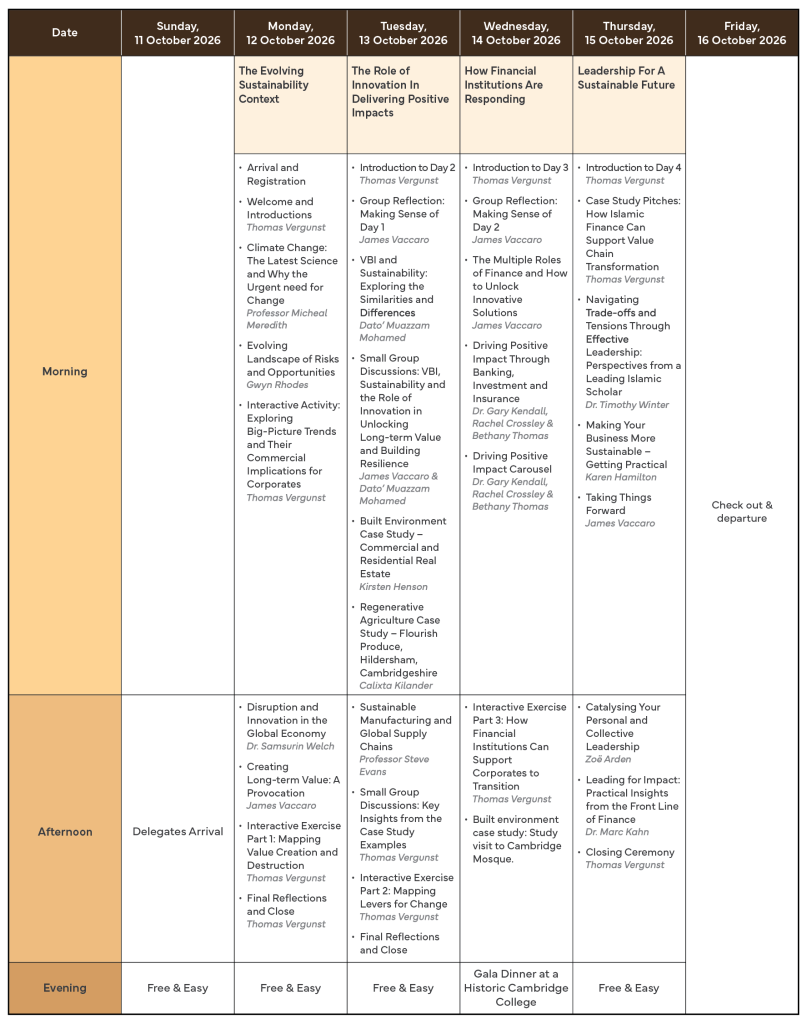
Programme Itinerary
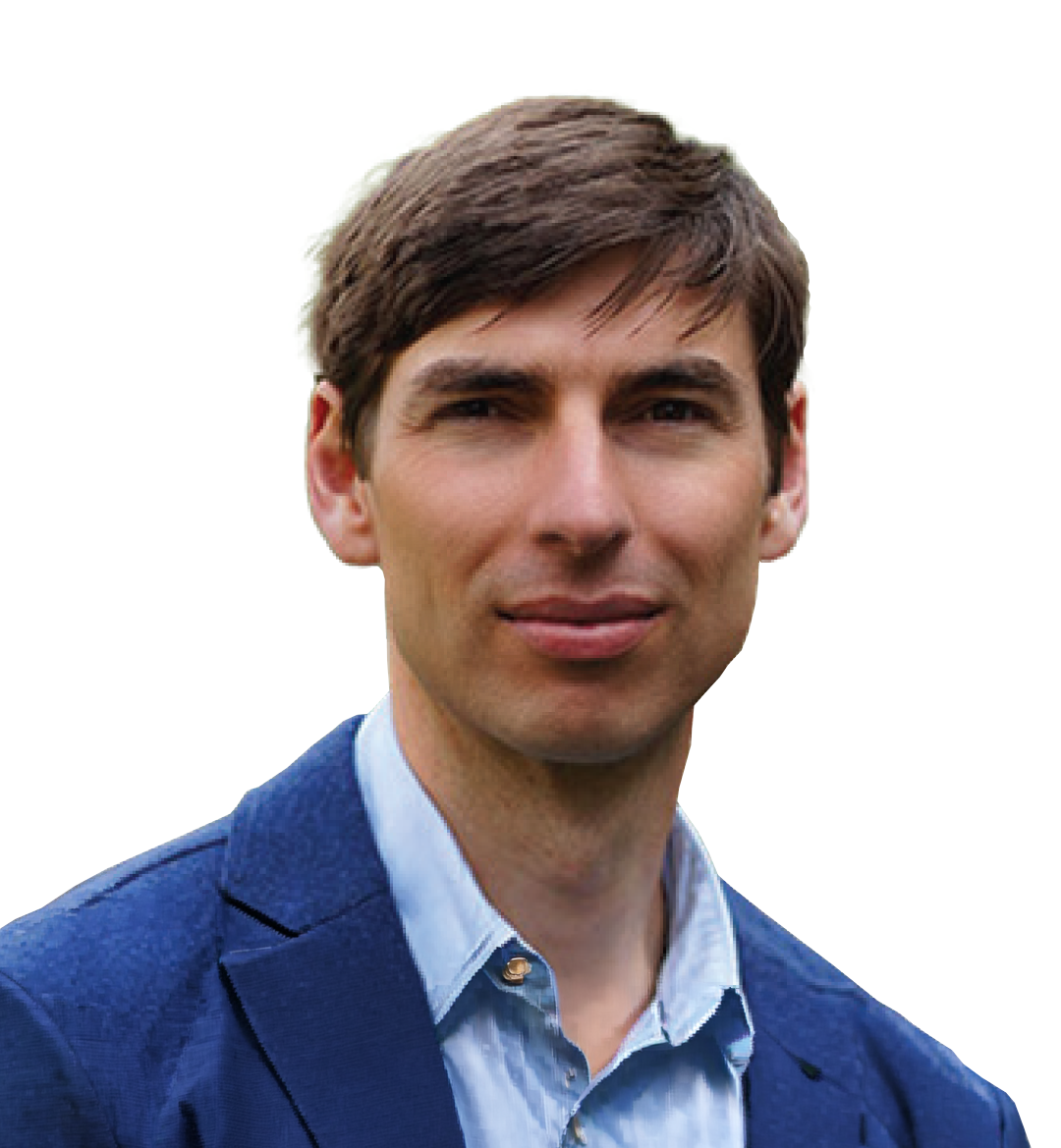
Thomas Vergunst
Programme Director, Finance Sector Education, CISL
Thomas Vergunst leads CISL’s executive education for financial institutions. Working closely with client organisations he designs and delivers customised sustainability leadership programmes for current and future leaders. These programmes help organisations understand and respond strategically to rapidly evolving social and environmental risks and opportunities, while also encouraging them to play a far more active role in driving wider systemic change.
Since completing his MSc in Soil Science in 2006, Thomas has held multiple roles in the sustainability sector. Prior to joining CISL Thomas worked for Eunomia Research & Consulting where he focused on, among other things, UK and European waste and resource policy. In this role, he managed numerous projects for private and public sector clients, including Eunomia’s strategic work on the European Commission’s circular economy package. Over recent years, his work has focused on the interconnected links between finance, policy and business strategies that can be used to encourage a shift towards a more sustainable economy.
Thomas has run programmes with numerous financial institutions and asset owners including BNP Paribas, CIMB, Lloyds Bank, Natwest, Investec, Liontrust, Phoenix Group, Cambridge University Endowment Fund and Ontario Teachers’ Pension Plan. Thomas sits on CISL’s Future Economy and Foresight working groups and works closely with CISL’s Centre for Sustainable Finance.
Since completing his MSc in Soil Science in 2006, Thomas has held multiple roles in the sustainability sector. Prior to joining CISL Thomas worked for Eunomia Research & Consulting where he focused on, among other things, UK and European waste and resource policy. In this role, he managed numerous projects for private and public sector clients, including Eunomia’s strategic work on the European Commission’s circular economy package. Over recent years, his work has focused on the interconnected links between finance, policy and business strategies that can be used to encourage a shift towards a more sustainable economy.
Thomas has run programmes with numerous financial institutions and asset owners including BNP Paribas, CIMB, Lloyds Bank, Natwest, Investec, Liontrust, Phoenix Group, Cambridge University Endowment Fund and Ontario Teachers’ Pension Plan. Thomas sits on CISL’s Future Economy and Foresight working groups and works closely with CISL’s Centre for Sustainable Finance.

James Vaccaro
Executive Director, Climate Safe Lending Network; CEO, Repattern; and Senior Associate, CISL
James is a sustainability strategist and systems thinker with a background of twenty-five years senior management experience in sustainable finance and business. He has provided leadership for organisations and projects and served on a wide range of business and charity boards and governing bodies.
James is CEO of RePattern.org, supporting organisations and their stakeholders in eective ecosystem innovation and strategy for sustainability transformation. He is the Chief Catalyst of the Climate Safe Lending Network – a multistakeholder initiative to catalyse the decarbonisation of the banking sector. James is also a Senior Advisor to TOPO Finance on sustainable finance initiatives, building on the insights from the Carbon Bankroll report revealing the climate impacts of cash held by companies.
Through RePattern, James is a strategy advisor to a number of regenerative agriculture-tech companies and has led the development of the WWF Nature-based Solutions Accelerator. James was previously Group Director of Strategy for Triodos Bank – Europe’s leading international sustainable bank and investment manager). In his career at Triodos, James set up and managed the UK investment business comprising corporate finance and crowdfunding services, venture capital fund management and fund distribution.
James served on the Global Steering Committee for the UNEP Finance Initiative and was one of the founding developers of the UN Principles for Responsible Banking launched in 2019. He is on the advisory panel for the Glasgow Financial Alliance for Net Zero (GFANZ), the delivery group of the UK Government’s Transition Plan Taskforce and on the advisory group of the Horizon Europe landscape restoration project, NATURESCAPES. James is a Senior Associate of the Cambridge Institute and senior fellow of the Finance Innovation Lab having previously served as the Chair of the Board of Trustees. James is a non-executive director of Regen and a Senior advisor for Club of Rome. He is also an advisor and investor in the Cambridge-based climate solutions venture-builder, Carbon-13. He is the author of several reports and papers on sustainable finance and impact investing (including the UN’s Global Environment Outlook on Sustainable Finance), a regular speaker at events and conferences on sustainable business and positive impact finance.
James is CEO of RePattern.org, supporting organisations and their stakeholders in eective ecosystem innovation and strategy for sustainability transformation. He is the Chief Catalyst of the Climate Safe Lending Network – a multistakeholder initiative to catalyse the decarbonisation of the banking sector. James is also a Senior Advisor to TOPO Finance on sustainable finance initiatives, building on the insights from the Carbon Bankroll report revealing the climate impacts of cash held by companies.
Through RePattern, James is a strategy advisor to a number of regenerative agriculture-tech companies and has led the development of the WWF Nature-based Solutions Accelerator. James was previously Group Director of Strategy for Triodos Bank – Europe’s leading international sustainable bank and investment manager). In his career at Triodos, James set up and managed the UK investment business comprising corporate finance and crowdfunding services, venture capital fund management and fund distribution.
James served on the Global Steering Committee for the UNEP Finance Initiative and was one of the founding developers of the UN Principles for Responsible Banking launched in 2019. He is on the advisory panel for the Glasgow Financial Alliance for Net Zero (GFANZ), the delivery group of the UK Government’s Transition Plan Taskforce and on the advisory group of the Horizon Europe landscape restoration project, NATURESCAPES. James is a Senior Associate of the Cambridge Institute and senior fellow of the Finance Innovation Lab having previously served as the Chair of the Board of Trustees. James is a non-executive director of Regen and a Senior advisor for Club of Rome. He is also an advisor and investor in the Cambridge-based climate solutions venture-builder, Carbon-13. He is the author of several reports and papers on sustainable finance and impact investing (including the UN’s Global Environment Outlook on Sustainable Finance), a regular speaker at events and conferences on sustainable business and positive impact finance.
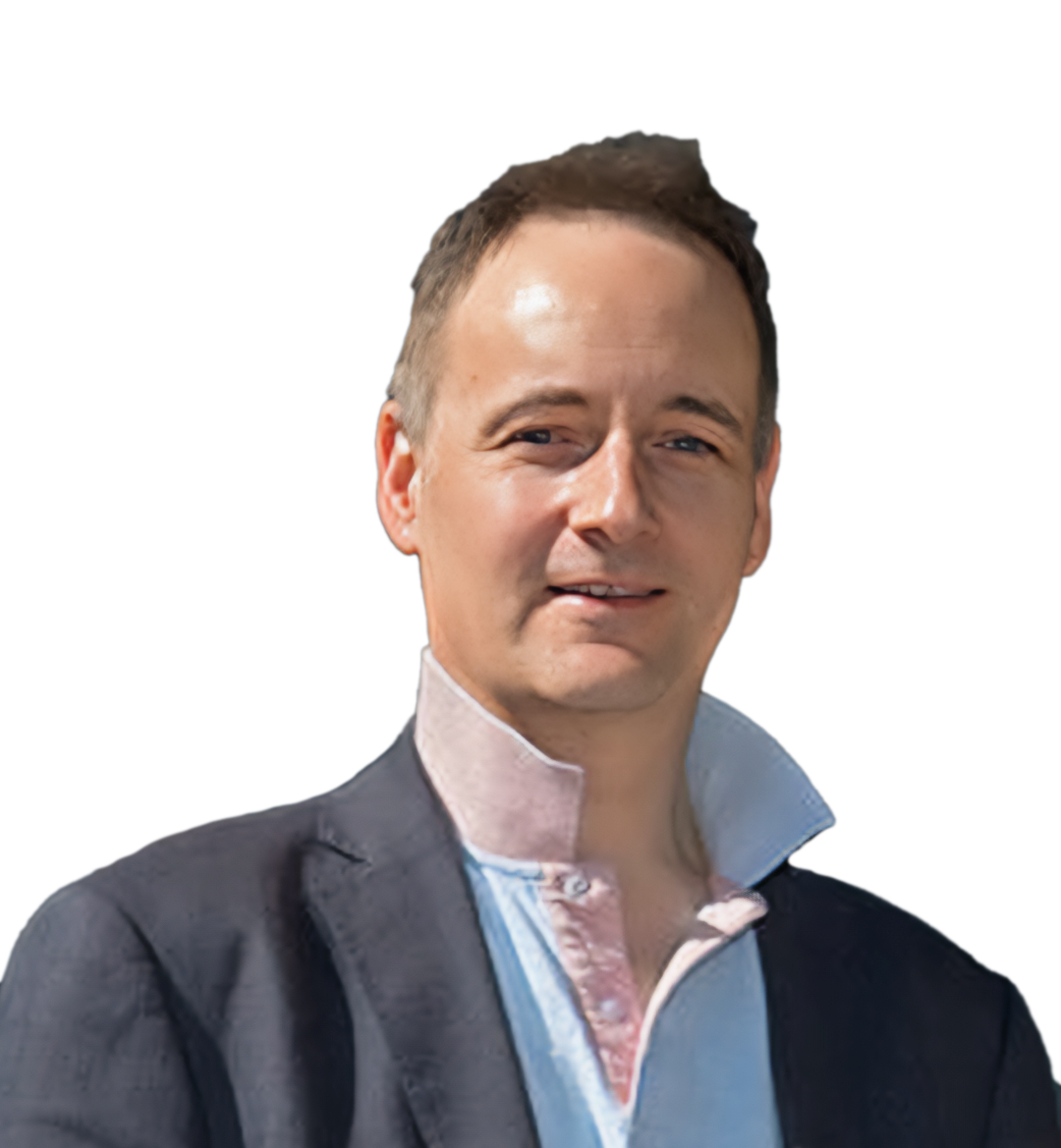
Professor Michael Meredith
Joint Director, UK National Climate Science Partnership; President, Challenger Society for Marine Science & Professorial Fellow in Oceanography, Murray Edwards College
Professor Michael Meredith is an oceanographer and Science Leader at the British Antarctic Survey (BAS) in Cambridge, UK, and Professorial Fellow in Oceanography at Murray Edwards College, University of Cambridge. He is head of the Polar Oceans team at BAS, which has research foci on determining the role of the polar oceans on global climate, the ice sheets, and the interdisciplinary ocean system. He is a Fellow of the Royal Geographical Society, and a NERC Individual Merit Promotion (Band 2) scientist. He has published more than 200 papers in international journals, and was the inaugural chair of the Southern Ocean Observing System. He led the design and delivery of the multi-institute, £10M ORCHESTRA programme, which is unravelling the role of the Southern Ocean in controlling global climate. He was recently Coordinating Lead Author for the IPCC Special Report on Oceans and Cryosphere in a Changing Climate.
In 2018, Michael was awarded the Tinker-Muse Prize for Science and Policy in Antarctica, in recognition of his contributions to the study of the Southern Ocean and its global impacts, and the Challenger Medal, for exceptional contributions to Marine Science. In 2020, he was awarded the Polar Medal. In 2021, Michael was elected to serve as President of the Challenger Society for Marine Science, the UK’s pre-eminent learned body for research of the ocean.
In 2018, Michael was awarded the Tinker-Muse Prize for Science and Policy in Antarctica, in recognition of his contributions to the study of the Southern Ocean and its global impacts, and the Challenger Medal, for exceptional contributions to Marine Science. In 2020, he was awarded the Polar Medal. In 2021, Michael was elected to serve as President of the Challenger Society for Marine Science, the UK’s pre-eminent learned body for research of the ocean.
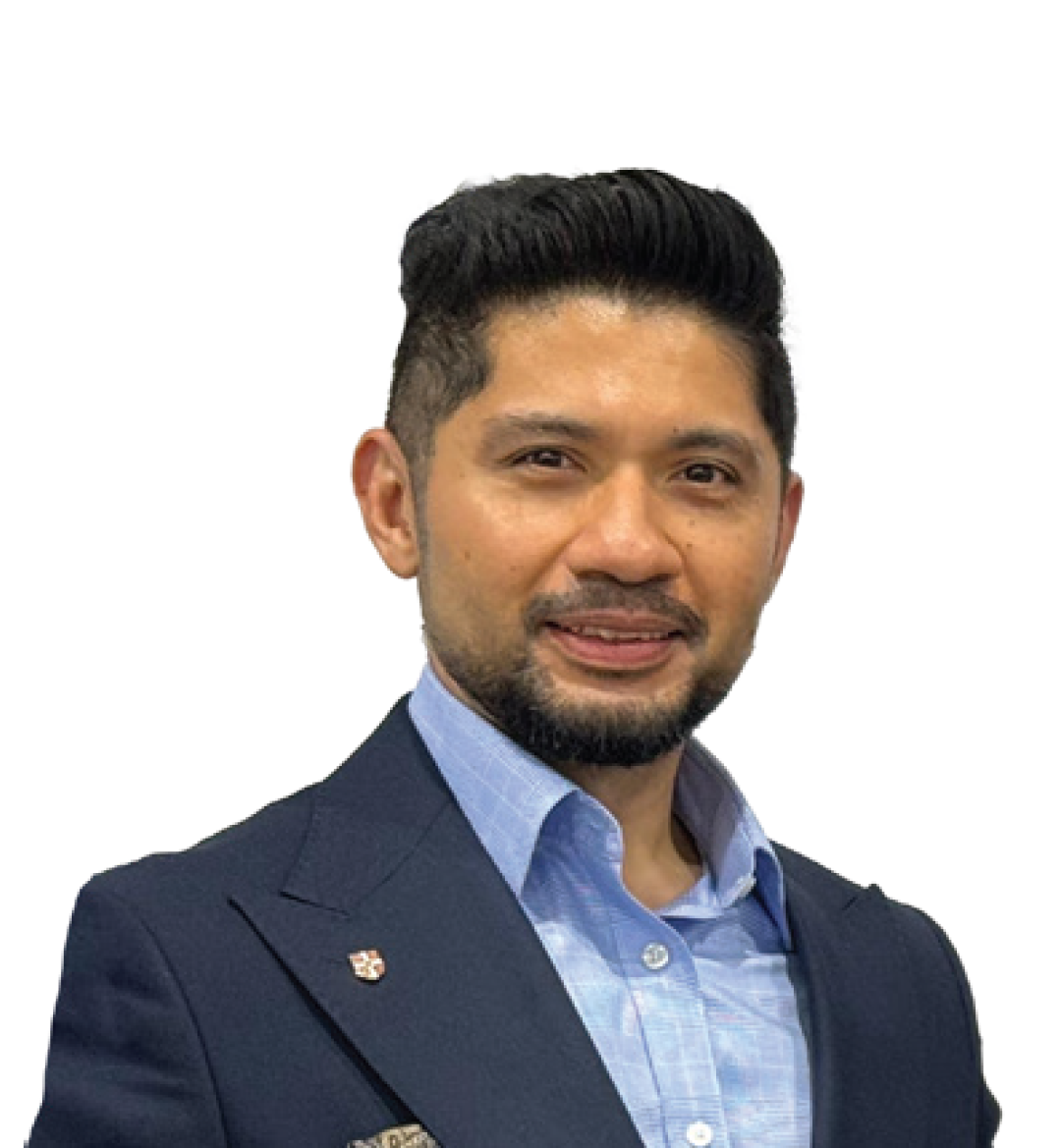
Dr. Samsurin Welch
Associate, Circular Economy Centre, Judge Business School and Senior Associate, CISL
Samsurin brings over 20 years of industry, research, and teaching experience at the intersection of technological disruption, sustainability, and the circular economy. His latest venture, HyveGeo, aims to permanently remove carbon dioxide from the atmosphere to help limit global warming to within 1.5 C. He also co-founded Hyve Forum, a sustainability and circular economy think tank.
Samsurin’s studies circularity and sustainability from the lens of strategy and competitive advantage, enabled by innovations with business models and digitalization such as Artificial Intelligence (AI), Blockchain and Internet of Things (IOT). He also teaches on the Executive MBA and Executive Education programs.
Prior to this, Samsurin was head of Digital Strategy & Innovation for PETRONAS, the national energy corporation of Malaysia. His industry experience spans energy, retail, and manufacturing sectors. Samsurin holds a PhD and MPhil from the University of Cambridge, an MSc from the London School of Economics and Political Science, and a BA from Northwestern University School of Economics and Political Science, and a BA from Northwestern University.
Samsurin’s studies circularity and sustainability from the lens of strategy and competitive advantage, enabled by innovations with business models and digitalization such as Artificial Intelligence (AI), Blockchain and Internet of Things (IOT). He also teaches on the Executive MBA and Executive Education programs.
Prior to this, Samsurin was head of Digital Strategy & Innovation for PETRONAS, the national energy corporation of Malaysia. His industry experience spans energy, retail, and manufacturing sectors. Samsurin holds a PhD and MPhil from the University of Cambridge, an MSc from the London School of Economics and Political Science, and a BA from Northwestern University School of Economics and Political Science, and a BA from Northwestern University.
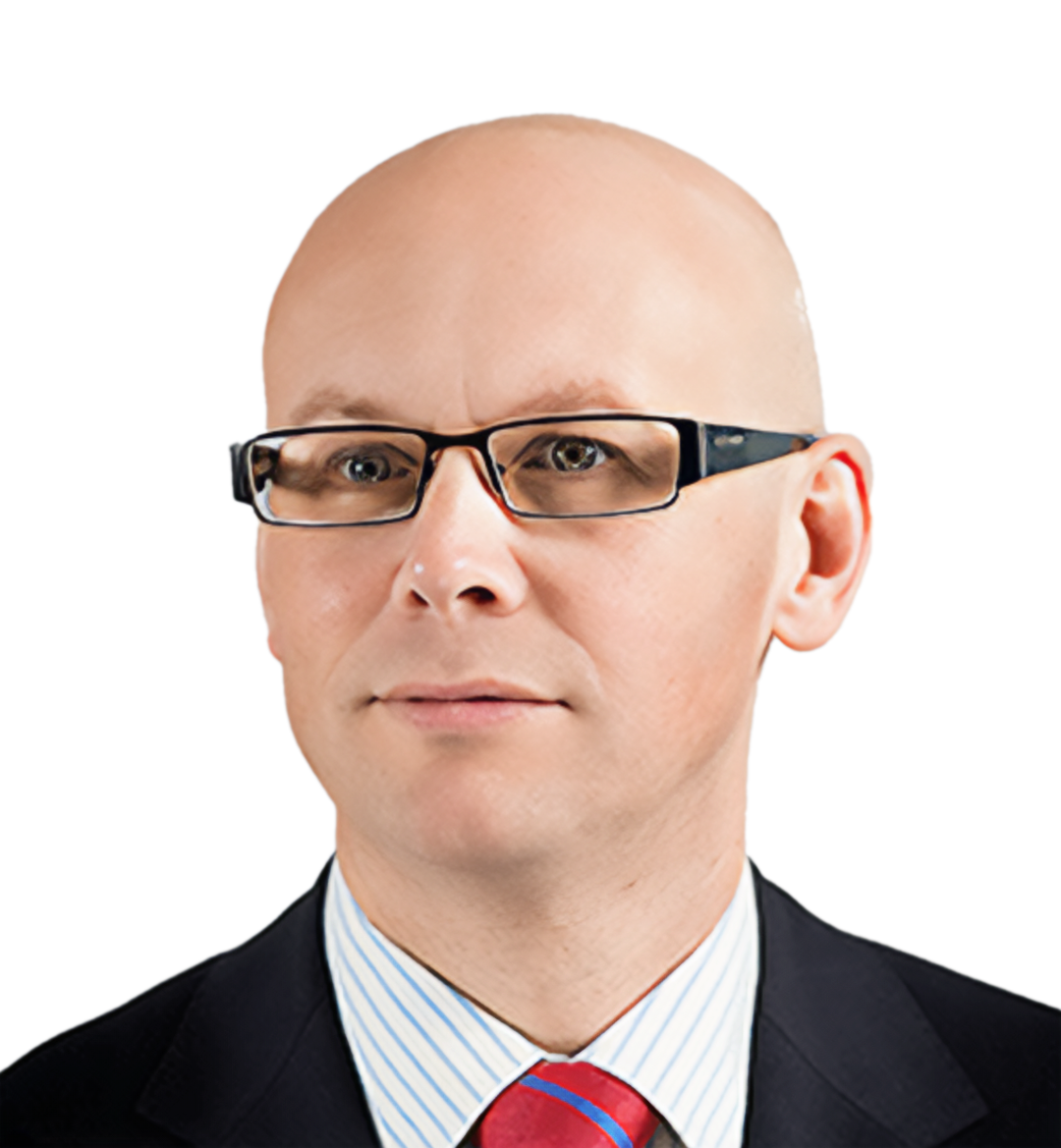
Gwyn Rhodes
Head of the Banking Environment Initiative, CISL
Gwyn Rhodes is Head of the Banking Environment Initiative at the University of Cambridge Institute for Sustainability Leadership. Gwyn brings over 25 years of experience in banking and has graduated from the Business Sustainability Management programme at CISL. He recently assisted the Ecology Building Society as a credit and lending policy advisor and is a Climate Science Workshop Facilitator with Climate Fresk, an organization that seeks to demystify climate science.
From 2021 Gwyn was Head of Business Banking at Triodos Bank UK, leading the bank’s sustainable lending activities across a wide range of sectors including renewable energy, electrification of transport, social housing, healthcare, organic food/farming and sustainable consumer businesses.
Prior to Triodos, he served as Managing Director and Regional Head, UK Financial Institutions Group at Wells Fargo Bank in London and transformed the business from having a narrow product focus into one with a multi-product coverage model. He was a member of the EMEA Climate Change Working Group and the EMEA Diversity and Inclusion Council and championed initiatives including delivering enhanced support to new parents and to colleagues facing mental health challenges.
Before Wells Fargo, Gwyn worked in HSBC’s Global Banking and Markets division, where he held front-line roles focused on supporting customers’ needs across the product range, particularly in relation to delivering bespoke lending solutions. Previous roles at HSBC, whose graduate training programme he joined from Loughborough University, include risk-focused positions including Head of Credit, Russia.
From 2021 Gwyn was Head of Business Banking at Triodos Bank UK, leading the bank’s sustainable lending activities across a wide range of sectors including renewable energy, electrification of transport, social housing, healthcare, organic food/farming and sustainable consumer businesses.
Prior to Triodos, he served as Managing Director and Regional Head, UK Financial Institutions Group at Wells Fargo Bank in London and transformed the business from having a narrow product focus into one with a multi-product coverage model. He was a member of the EMEA Climate Change Working Group and the EMEA Diversity and Inclusion Council and championed initiatives including delivering enhanced support to new parents and to colleagues facing mental health challenges.
Before Wells Fargo, Gwyn worked in HSBC’s Global Banking and Markets division, where he held front-line roles focused on supporting customers’ needs across the product range, particularly in relation to delivering bespoke lending solutions. Previous roles at HSBC, whose graduate training programme he joined from Loughborough University, include risk-focused positions including Head of Credit, Russia.

Calixta Kilander
Founder & Owner, Flourish Produce
Calixta founded Flourish Produce in 2017. At 56 acres, Flourish is a beacon of biodiversity with more than 750 varieties of crops in cultivation, an agroforestry field, a heritage grain project, rotating herbal leys and flower fields. An integral part of the Flourish ethos is to build strong, longstanding partnerships between the farm and their customers. The produce directly marketed to restaurants, florists, bakeries, shops and through an on-site farm shop, veg box scheme. Flourish is currently “in conversion” to official Organic and Biodynamic certification.
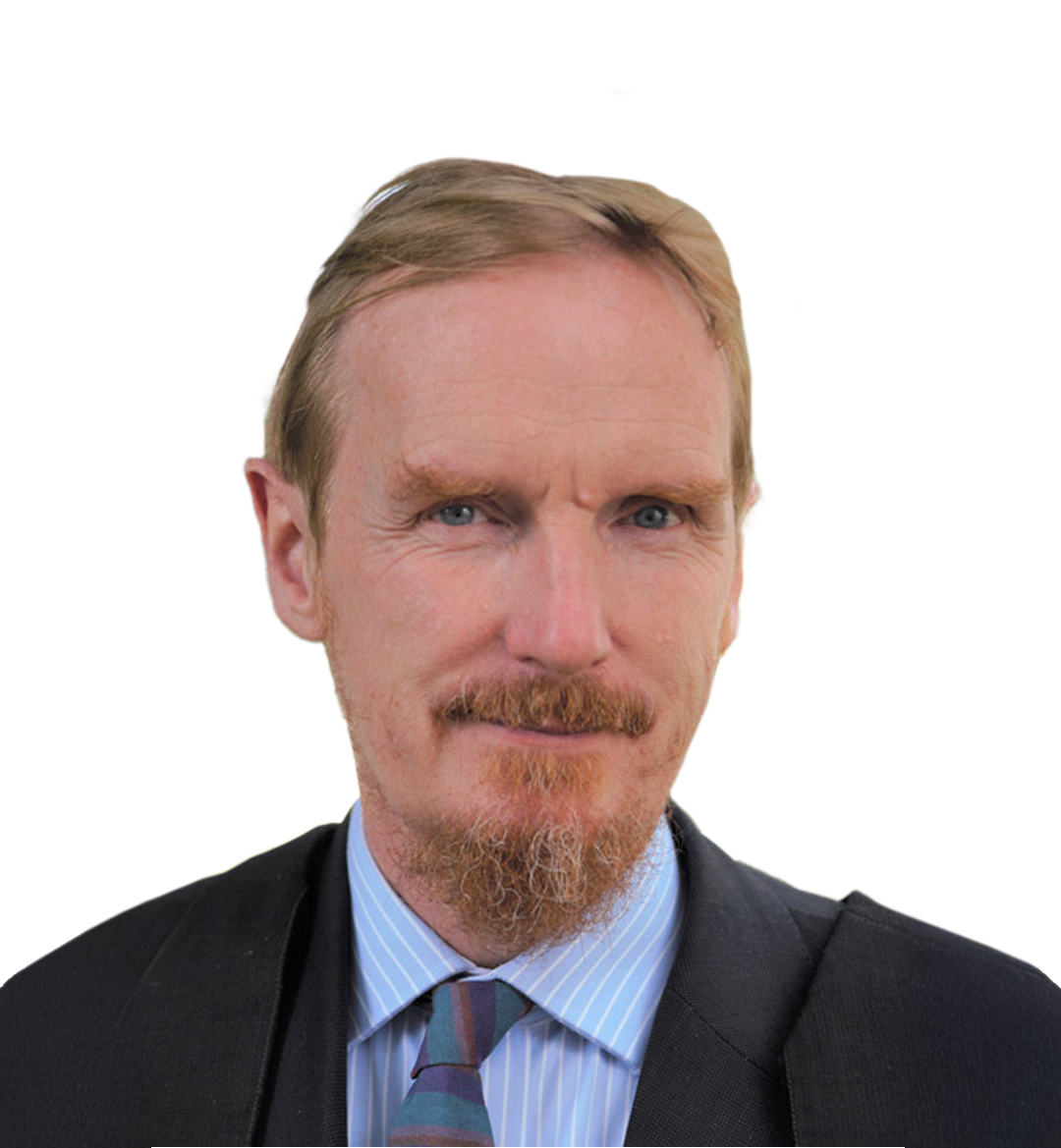
Dr. Timothy Winter
Syakh Zayed Lecturer in Islamic Studies, Faculty of Divinity, University of Cambridge
Dr. Timothy Winter (Sheikh Abdul-Hakim Murad) is the Shaykh Zayed Lecturer in Islamic Studies at the Faculty of Divinity, University of Cambridge. His research interests include Muslim-Christian relations, computerised hadith databases, and Sufism. He is also Dean of the Cambridge Muslim College, which aims to be a world-class provider of educational programmes, qualifications and research on Islam, helping those who wish to develop as faith leaders.
Tim has studied at a variety of institutions, including Arabic at the University of Cambridge, Turkish and Persian at the School of Oriental and African Studies, University of London, as well as studying at Al Azhar University in Cairo. His research has been published in a variety of collections and journals, including "Terrorism and Islamic theologies of religiously sanctioned war" which was published in the book Just War on Terror? Christian and Muslim Responses in 2010, and "Poverty and the charism of Ishmael" published in 2008 in Building a Better Bridge: Muslims, Christians and the Common Good.
In 2015 Tim was nominated for the award for Services to Education at the British Muslim Awards. He has previously been awarded the King Abdullah I Prize for Islamic Thought in 2007 for his book Bombing without Moonlight and received the 2003 Pilkington Teaching Prize from the University of Cambridge. He frequently features on BBC Radio 4's "Thought of the Day" spot.
Tim has studied at a variety of institutions, including Arabic at the University of Cambridge, Turkish and Persian at the School of Oriental and African Studies, University of London, as well as studying at Al Azhar University in Cairo. His research has been published in a variety of collections and journals, including "Terrorism and Islamic theologies of religiously sanctioned war" which was published in the book Just War on Terror? Christian and Muslim Responses in 2010, and "Poverty and the charism of Ishmael" published in 2008 in Building a Better Bridge: Muslims, Christians and the Common Good.
In 2015 Tim was nominated for the award for Services to Education at the British Muslim Awards. He has previously been awarded the King Abdullah I Prize for Islamic Thought in 2007 for his book Bombing without Moonlight and received the 2003 Pilkington Teaching Prize from the University of Cambridge. He frequently features on BBC Radio 4's "Thought of the Day" spot.

Kirsten Henson
Director, KLH Sustainability
Kirsten Henson runs a growing sustainable construction consultancy, KLH Sustainability, building capacity within organisations to create long-lasting positive change.
Kirsten has contributed to a number of master planning projects, providing technical advice on setting sustainability strategy, implementation and delivery. Her most notable contribution to date is on the London 2012 Olympic Park where her technical knowledge and ability to engage and inspire significantly influenced the planning, design and construction of the infrastructure and venues. She is also a technical advisor to the United Nations Environment Programme focussing on sport and sustainability. Kirsten has continued to work on high-profile construction projects including: BskyB Campus masterplan, Balfour Beatty St James’s Market redevelopment for The Crown Estate and Thames Tideway. Kirsten is a guest lecturer at a number of Universities including University of Cambridge and Newcastle University. She holds a masters degree in Civil Engineering and a second masters in Engineering for Sustainable Development from the University of Cambridge.
Kirsten has contributed to a number of master planning projects, providing technical advice on setting sustainability strategy, implementation and delivery. Her most notable contribution to date is on the London 2012 Olympic Park where her technical knowledge and ability to engage and inspire significantly influenced the planning, design and construction of the infrastructure and venues. She is also a technical advisor to the United Nations Environment Programme focussing on sport and sustainability. Kirsten has continued to work on high-profile construction projects including: BskyB Campus masterplan, Balfour Beatty St James’s Market redevelopment for The Crown Estate and Thames Tideway. Kirsten is a guest lecturer at a number of Universities including University of Cambridge and Newcastle University. She holds a masters degree in Civil Engineering and a second masters in Engineering for Sustainable Development from the University of Cambridge.

Dr. Gary Kandell
Strategy & Sustainability Specialist, Nedbank Group
Gary has been working at the intersection of business strategy and systemic risk for more than a decade.
Prior to joining Nedbank in November 2013, he was Deputy Director at the University of Cambridge Institute for Sustainability Leadership (CISL) in Cape Town for 3 years, helping business leaders in Southern Africa to understand the mounting system pressures that will reshape their operating context.
Gary previously served as Executive Director at SustainAbility, a hybrid think-tank and strategy consultancy based in London, where he advised numerous blue-chip organisations – including Ford, Shell, Nestlé, Novo Nordisk, Anglo American, A.P. Moller-Maersk and Sasol – on how to strengthen their business strategies with enhanced systems intelligence.
His career in sustainable development began when he joined WWF International’s Climate & Energy team in 2006, which followed 9 years in the downstream oil industry with ExxonMobil, spanning diverse roles from technical services to sales, marketing and business development. Working across Europe, the US and Asia.
Prior to joining Nedbank in November 2013, he was Deputy Director at the University of Cambridge Institute for Sustainability Leadership (CISL) in Cape Town for 3 years, helping business leaders in Southern Africa to understand the mounting system pressures that will reshape their operating context.
Gary previously served as Executive Director at SustainAbility, a hybrid think-tank and strategy consultancy based in London, where he advised numerous blue-chip organisations – including Ford, Shell, Nestlé, Novo Nordisk, Anglo American, A.P. Moller-Maersk and Sasol – on how to strengthen their business strategies with enhanced systems intelligence.
His career in sustainable development began when he joined WWF International’s Climate & Energy team in 2006, which followed 9 years in the downstream oil industry with ExxonMobil, spanning diverse roles from technical services to sales, marketing and business development. Working across Europe, the US and Asia.

Karen Hamilton
Former Vice President Sustainability, Unilever & Sustainable Business Advisor
Karen is a commercially-focused sustainability leader with over 30 years’ experience in a leading FMCG organisation driving sustainability impact and business growth across brands, products and 100+ countries and in areas such as climate change, the circular plastic economy and sustainably sourced agricultural materials.
Karen spearheaded the creation of Unilever’s ground-breaking Sustainable Living Plan. During her time at Unilever, the company topped the Globescan Sustainability Leader Survey for over a decade, its supply chain moved to 67% sustainably sourced agricultural materials and 100% renewable electricity while its ‘sustainable living brands’ grew twice as fast as the rest of the portfolio.
She was responsible for embedding sustainability as “the way we do business” in functions and geographies across the company. She convinced senior leadership of the business case for sustainability, driving growth and trust while reducing risk and cost, and innovated open-source tools to integrate social and environmental goals into the business model, such as Unilever’s Five Levers for Change and Making Purpose Pay.
Karen has served as a General Assembly member of the Eco Beauty Score Consortium, a Board member of The Sustainability Consortium and Chair of the Pukka Herbs Mission Council. Having recently left Unilever, she is now an independent sustainability advisor.
Prior to her career in sustainability, Karen held a series of senior business, strategic and marketing positions integral to core business and growing market share.
Karen spearheaded the creation of Unilever’s ground-breaking Sustainable Living Plan. During her time at Unilever, the company topped the Globescan Sustainability Leader Survey for over a decade, its supply chain moved to 67% sustainably sourced agricultural materials and 100% renewable electricity while its ‘sustainable living brands’ grew twice as fast as the rest of the portfolio.
She was responsible for embedding sustainability as “the way we do business” in functions and geographies across the company. She convinced senior leadership of the business case for sustainability, driving growth and trust while reducing risk and cost, and innovated open-source tools to integrate social and environmental goals into the business model, such as Unilever’s Five Levers for Change and Making Purpose Pay.
Karen has served as a General Assembly member of the Eco Beauty Score Consortium, a Board member of The Sustainability Consortium and Chair of the Pukka Herbs Mission Council. Having recently left Unilever, she is now an independent sustainability advisor.
Prior to her career in sustainability, Karen held a series of senior business, strategic and marketing positions integral to core business and growing market share.
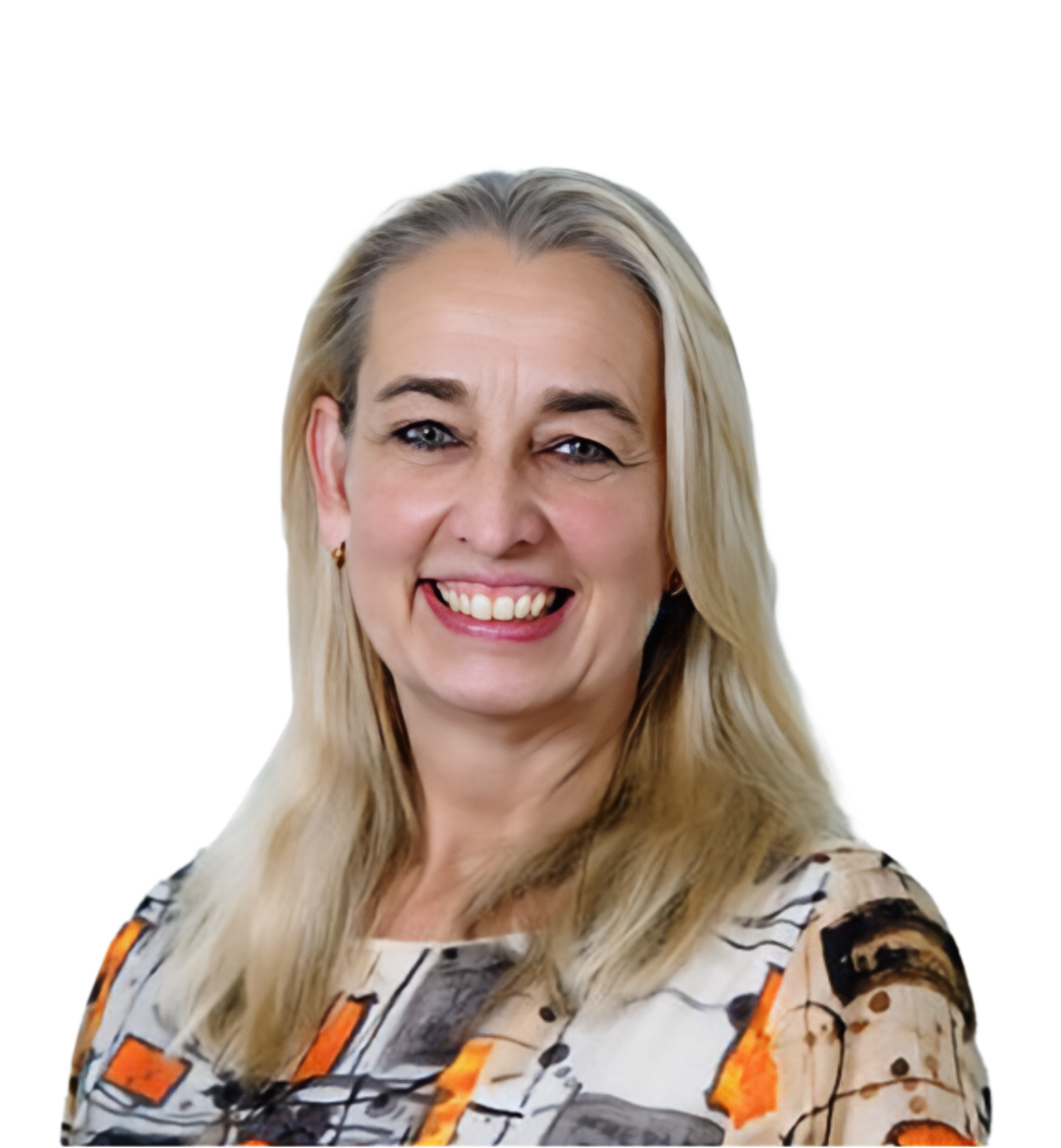
Rachel Crossley
Head of Stewardship, Europe, BNP Paribas
Rachel is passionate about driving sustainable investment, she has more than 30 years of experience in responsible, sustainable and impact investing. Her roles have spanned across international development, investment management, NGOs, and consultancy.mmercially-focused sustainability leader with over 30 years’ experience in a leading FMCG organisation driving sustainability impact and business growth across brands, products and 100+ countries and in areas such as climate change, the circular plastic economy and sustainably sourced agricultural materials.
Karen spearheaded the creation of Unilever’s ground-breaking Sustainable Living Plan. During her time at Unilever, the company topped the Globescan Sustainability Leader Survey for over a decade, its supply chain moved to 67% sustainably sourced agricultural materials and 100% renewable electricity while its ‘sustainable living brands’ grew twice as fast as the rest of the portfolio.
She was responsible for embedding sustainability as “the way we do business” in functions and geographies across the company. She convinced senior leadership of the business case for sustainability, driving growth and trust while reducing risk and cost, and innovated open-source tools to integrate social and environmental goals into the business model, such as Unilever’s Five Levers for Change and Making Purpose Pay.
Karen has served as a General Assembly member of the Eco Beauty Score Consortium, a Board member of The Sustainability Consortium and Chair of the Pukka Herbs Mission Council. Having recently left Unilever, she is now an independent sustainability advisor.
Prior to her career in sustainability, Karen held a series of senior business, strategic and marketing positions integral to core business and growing market share.
Karen spearheaded the creation of Unilever’s ground-breaking Sustainable Living Plan. During her time at Unilever, the company topped the Globescan Sustainability Leader Survey for over a decade, its supply chain moved to 67% sustainably sourced agricultural materials and 100% renewable electricity while its ‘sustainable living brands’ grew twice as fast as the rest of the portfolio.
She was responsible for embedding sustainability as “the way we do business” in functions and geographies across the company. She convinced senior leadership of the business case for sustainability, driving growth and trust while reducing risk and cost, and innovated open-source tools to integrate social and environmental goals into the business model, such as Unilever’s Five Levers for Change and Making Purpose Pay.
Karen has served as a General Assembly member of the Eco Beauty Score Consortium, a Board member of The Sustainability Consortium and Chair of the Pukka Herbs Mission Council. Having recently left Unilever, she is now an independent sustainability advisor.
Prior to her career in sustainability, Karen held a series of senior business, strategic and marketing positions integral to core business and growing market share.

Professor Steve Evans
Director of Research in Industrial Sustainability, University of Cambridge
Professor Steve Evans MAE, FIET, FLSW, FIEMA, FRSA, CEng is Director of Research in Industrial Sustainability at the University of Cambridge. After 12 years in industry Steve moved to academia and pioneered many new topics in sustainable business models, eco-eciency and other topics within industrial sustainability.
His research is concerned asks ‘how to deliver a sustainable industrial system at the speed and scale that the planet needs?’ and is conducted with leading practitioners such as Toyota, Chanel, Airbus and 100’s of other companies. He started his first research on Circular Economy in 1995. Steve has founded various cleantech start-ups and served as Special Advisor to the UK House of Lords. Steve was recently elected to serve on the Board of Academia Europaea, the eminent European academy.
His research is concerned asks ‘how to deliver a sustainable industrial system at the speed and scale that the planet needs?’ and is conducted with leading practitioners such as Toyota, Chanel, Airbus and 100’s of other companies. He started his first research on Circular Economy in 1995. Steve has founded various cleantech start-ups and served as Special Advisor to the UK House of Lords. Steve was recently elected to serve on the Board of Academia Europaea, the eminent European academy.
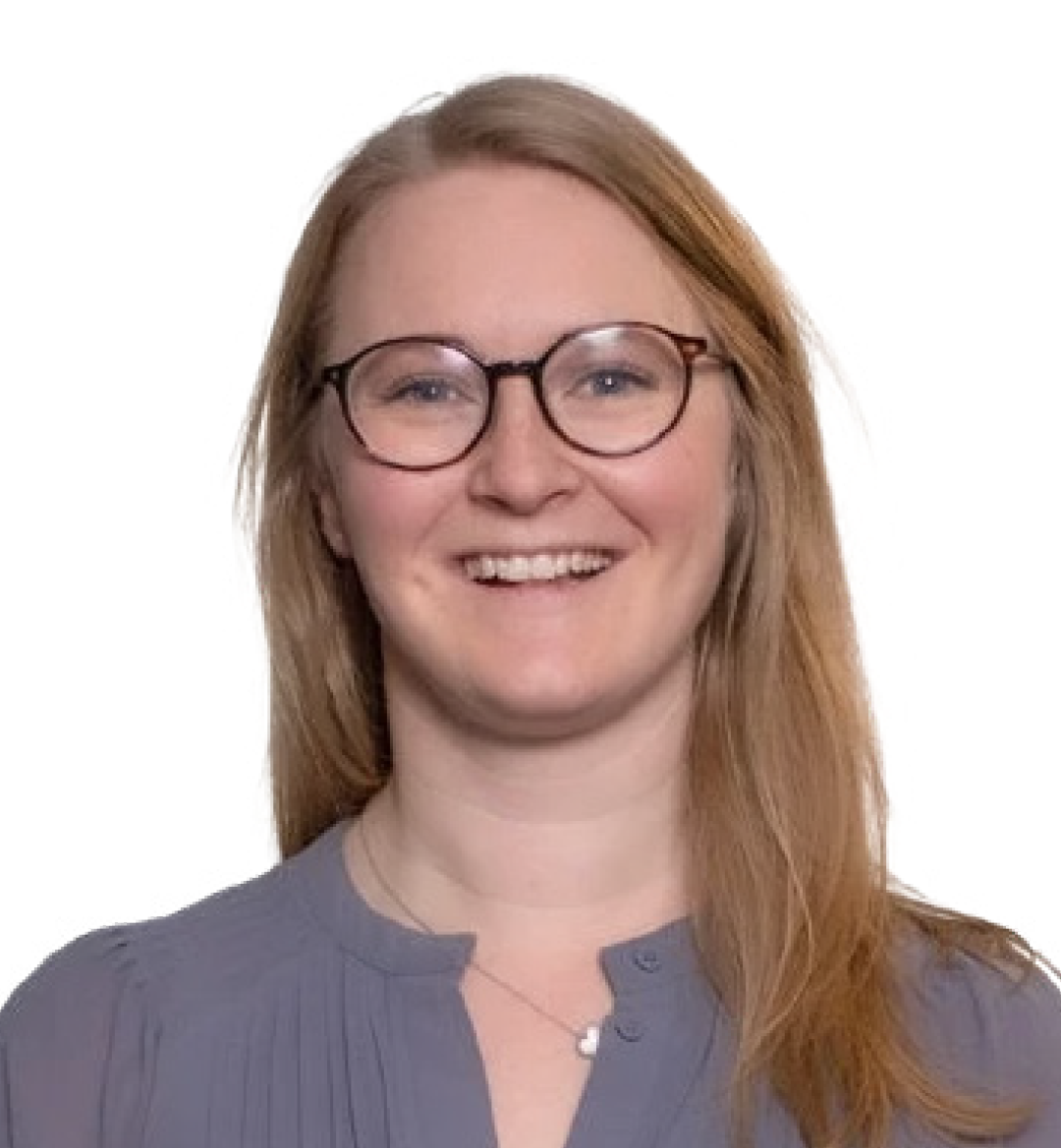
Bethany Thomas
Head of Sustainability, Allianz Insurance
Bethany has spent her entire career at Allianz in a diversity of roles from Underwriter to Business Manager to the CEO, a position where she oversaw projects, governance, reporting and strategy of the UK business.
As Allianz UK Head of Sustainability, Bethany develops and leads the implementation of the UK sustainability strategy across business segments and functions. Bethany is also tasked with building employee engagement and understanding of the topic of sustainability at an individual and business level and supporting customers and brokers in their own net zero transition.est grade of ‘exceptional.’
As Allianz UK Head of Sustainability, Bethany develops and leads the implementation of the UK sustainability strategy across business segments and functions. Bethany is also tasked with building employee engagement and understanding of the topic of sustainability at an individual and business level and supporting customers and brokers in their own net zero transition.est grade of ‘exceptional.’
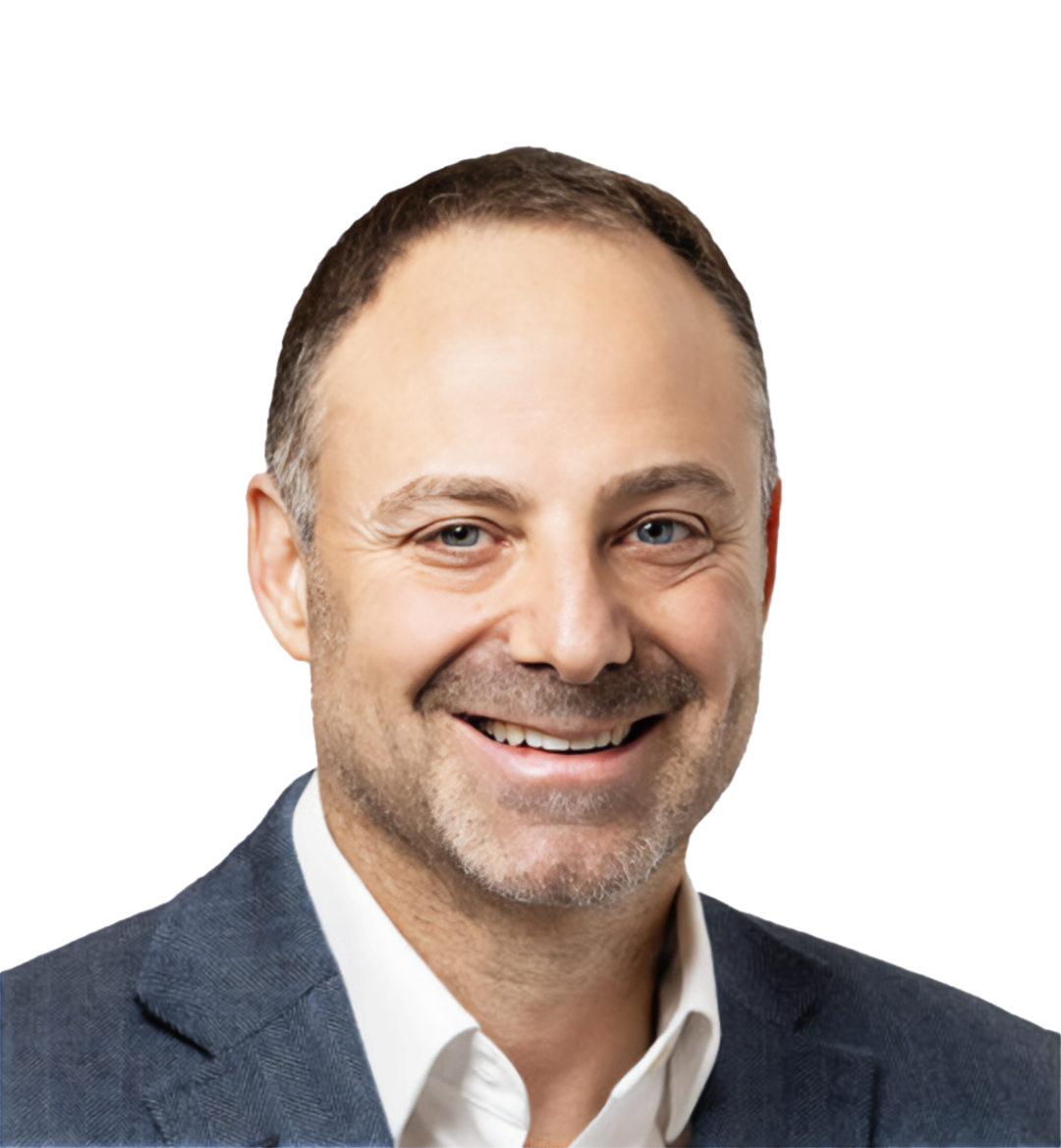
Dr. Marc Kahn
Global Head of Organisational Development and HR, Investec and Senior Associate, CISL
Dr. Marc Kahn is the Group Chief Strategy & Sustainability Officer at Investec. Prior to joining Investec in 2008 he led a management consulting firm specialising in large scale change initiatives and executive development. He is a chartered business coach, clinical psychologist, author and teacher.
Marc draws on complexity sciences and systems theory in his work and maintains that twentieth century industrial models of organisation are defunct.
Marc draws on complexity sciences and systems theory in his work and maintains that twentieth century industrial models of organisation are defunct.

Zoë Arden
Fellow, CISL
Zoë designs and delivers inspiring, high impact leadership courses for many global organisations. She believes that truthful stories powerfully told can be transformational, build resilient organisations, and create fruitful relationships with stakeholders.
Zoë is a Fellow at the University of Cambridge Institute for Sustainability Leadership (CISL) where she designs and delivers leadership programmes including three online leadership courses - Women Leading Change: Shaping Our Future, Communicating for Influence and Impact, and Leading Sustainability: High Impact Leadership. She is a co-author of CISL’s latest thinking on leadership principles and the leadership for a sustainable future framework published in September 2023.
Zoë has worked in-house as director of communications and sustainability at telecoms giant BT Retail where she led a team of over 50 responsible for communications and stakeholder engagement.
She has been a Director of ERM where she worked with global brands on their strategy and stakeholder engagement including AstraZeneca, Barclays, Nestlé and Novartis. She was Director of MSL Group (part of Publicis) and European Managing Director at global communications firms Weber Shandwick and Golin. She was also Vice President of San Francisco-based agency Access Communications, working with Apple in the US and Europe. She serves on the board of two charities and in her spare time, Zoë treads the boards at her local theatre and treads water in the River Thames, whatever the temperature.
Zoë is a Fellow at the University of Cambridge Institute for Sustainability Leadership (CISL) where she designs and delivers leadership programmes including three online leadership courses - Women Leading Change: Shaping Our Future, Communicating for Influence and Impact, and Leading Sustainability: High Impact Leadership. She is a co-author of CISL’s latest thinking on leadership principles and the leadership for a sustainable future framework published in September 2023.
Zoë has worked in-house as director of communications and sustainability at telecoms giant BT Retail where she led a team of over 50 responsible for communications and stakeholder engagement.
She has been a Director of ERM where she worked with global brands on their strategy and stakeholder engagement including AstraZeneca, Barclays, Nestlé and Novartis. She was Director of MSL Group (part of Publicis) and European Managing Director at global communications firms Weber Shandwick and Golin. She was also Vice President of San Francisco-based agency Access Communications, working with Apple in the US and Europe. She serves on the board of two charities and in her spare time, Zoë treads the boards at her local theatre and treads water in the River Thames, whatever the temperature.